A Photographer’s Guide to Dangerous Plants and Ticks in Iowa
If you're a photographer working in Iowa or the Midwest and shooting in natural areas such as fields, trails, gardens, wooded venues, etc, you need to know about the dangerous plants and pests lurking around you. This guide covers the top plants and pests I always keep watch for: Poison ivy, wild parsnip, poison hemlock, and ticks. These can all cause real harm, and you should be able to identify them and know what to do in case of contact with each.
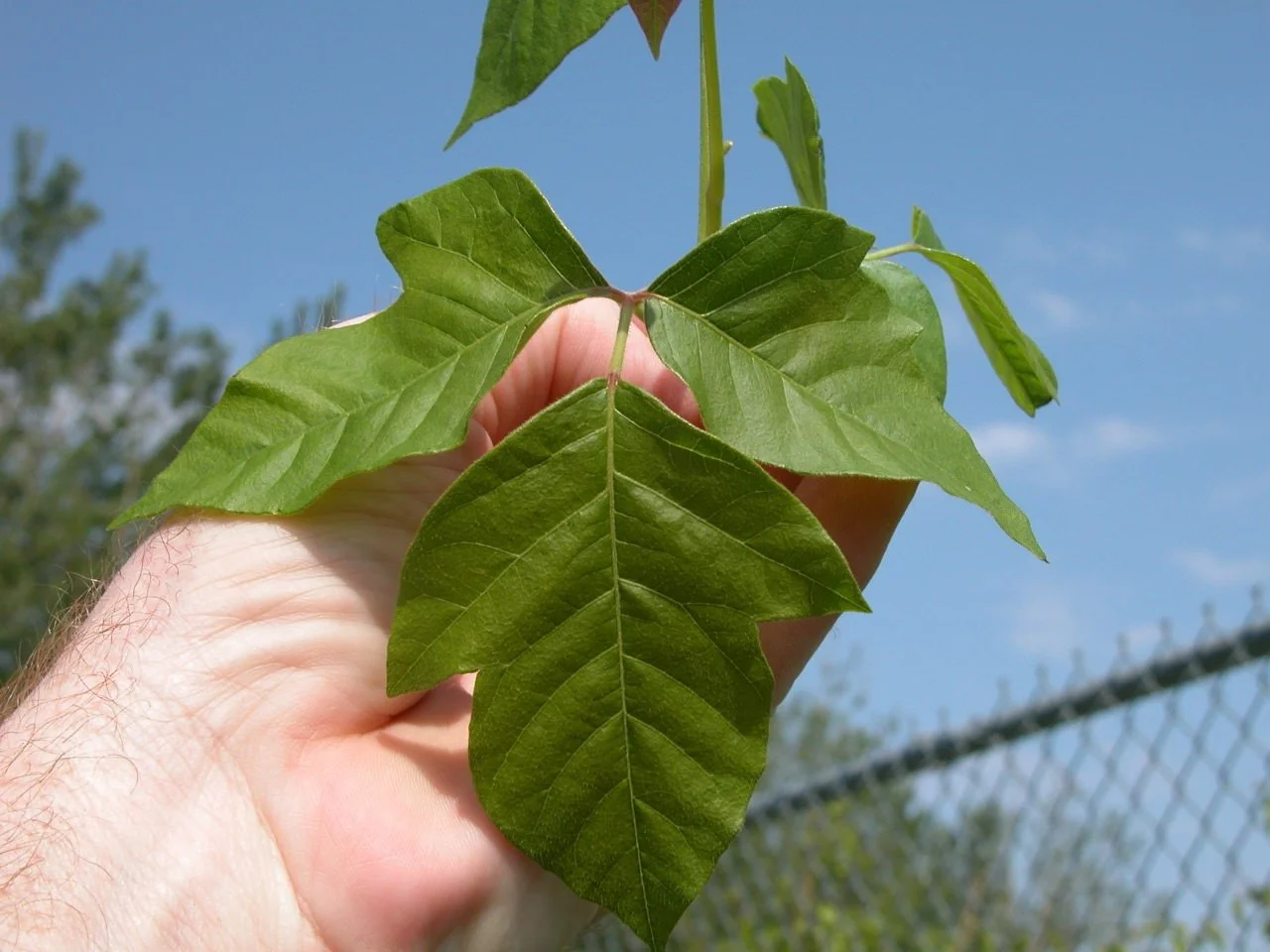
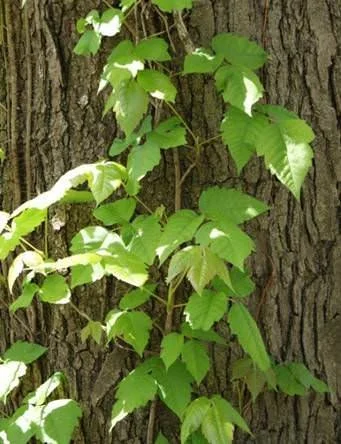
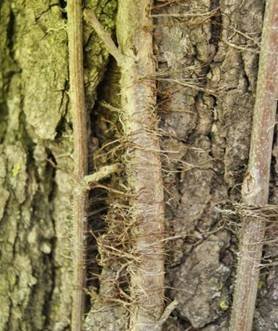
Poison Ivy
Poison ivy secretes an oil called urushiol which spreads easily and can be difficult to get off of clothes, gear, and pet fur. This substance comes from all parts of the plant, including roots, stems, and leaves, and causes painful, blistering rashes that can last for weeks.
Poison ivy has an easy to remember catchphrase: “Leaves of three, let it be.” but boxelder seedlings can have similar-looking leaf clusters so it’s also a little more complicated than that. Here’s what to look out for:
Grows in clusters of 3 pointed leaflets
Can be low to the ground, shrub-like, or climb like a vine
Shiny green leaves in summer, turns red or orange in fall
Vines on trees may look fuzzy or hairy
Stems between the leaves are often reddish
It’s found everywhere, honestly. Field edges, wooded trails, fencelines, overgrown landscaping, riverbanks, alleyways, your own backyard probably. Learn what it looks like and don’t touch it. If there’s any chance someone brushed up against it, have them wash skin and clothes with soap and water as soon as possible. If an itchy rash occurs, treat it with calamine lotion or hydrocortisone cream, both are OTC.
Plant ID photos via Iowa State University Extension and Outreach.
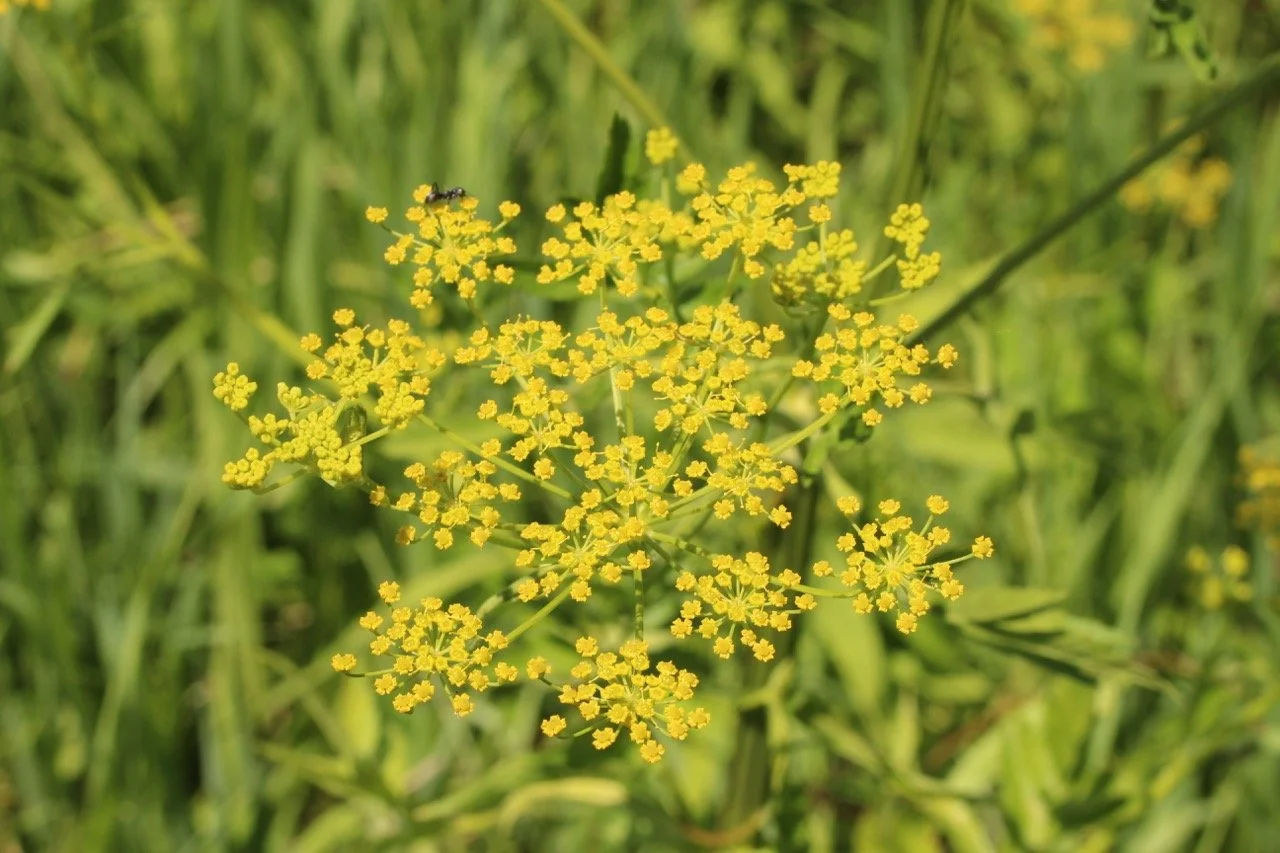
Wild Parsnip
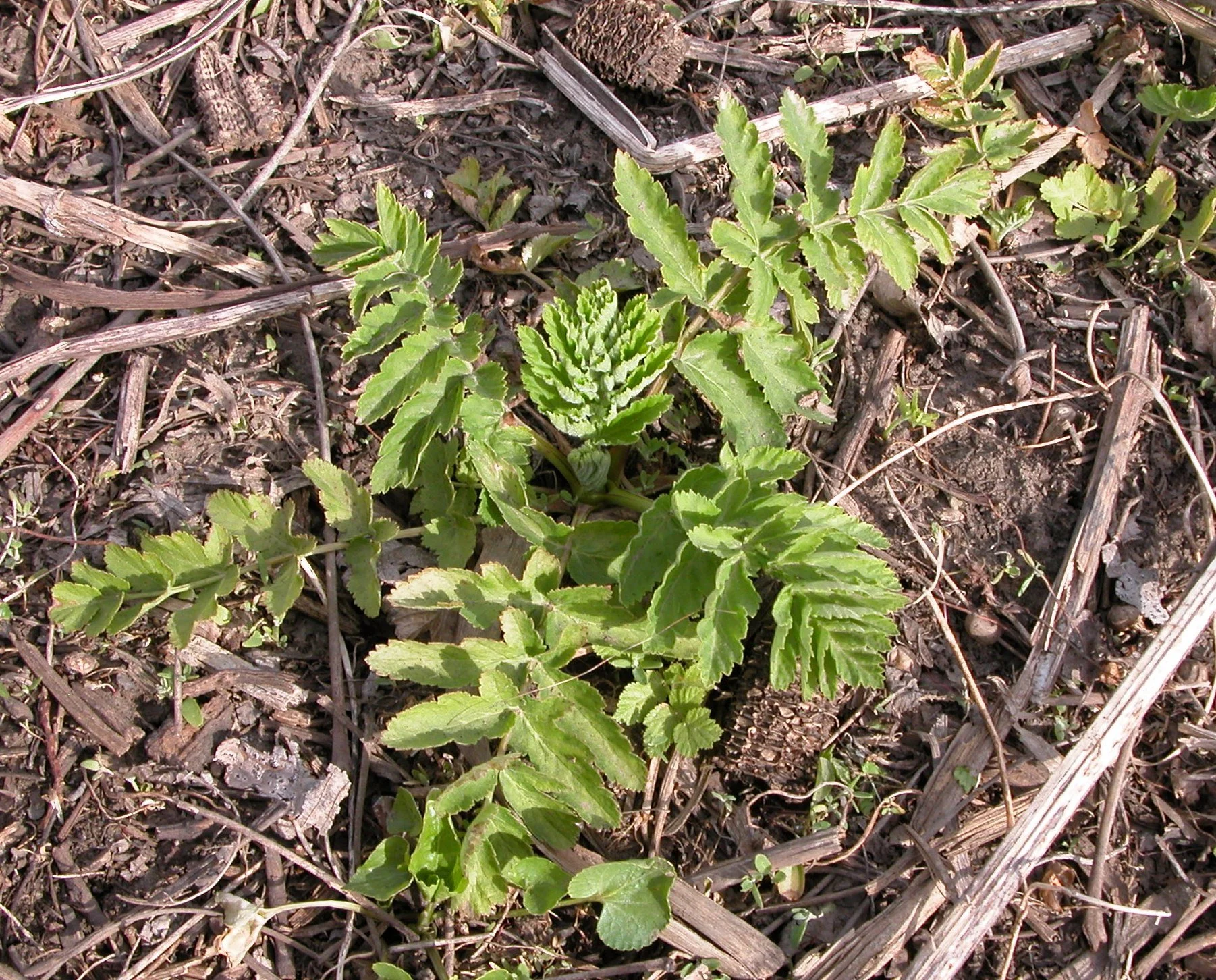
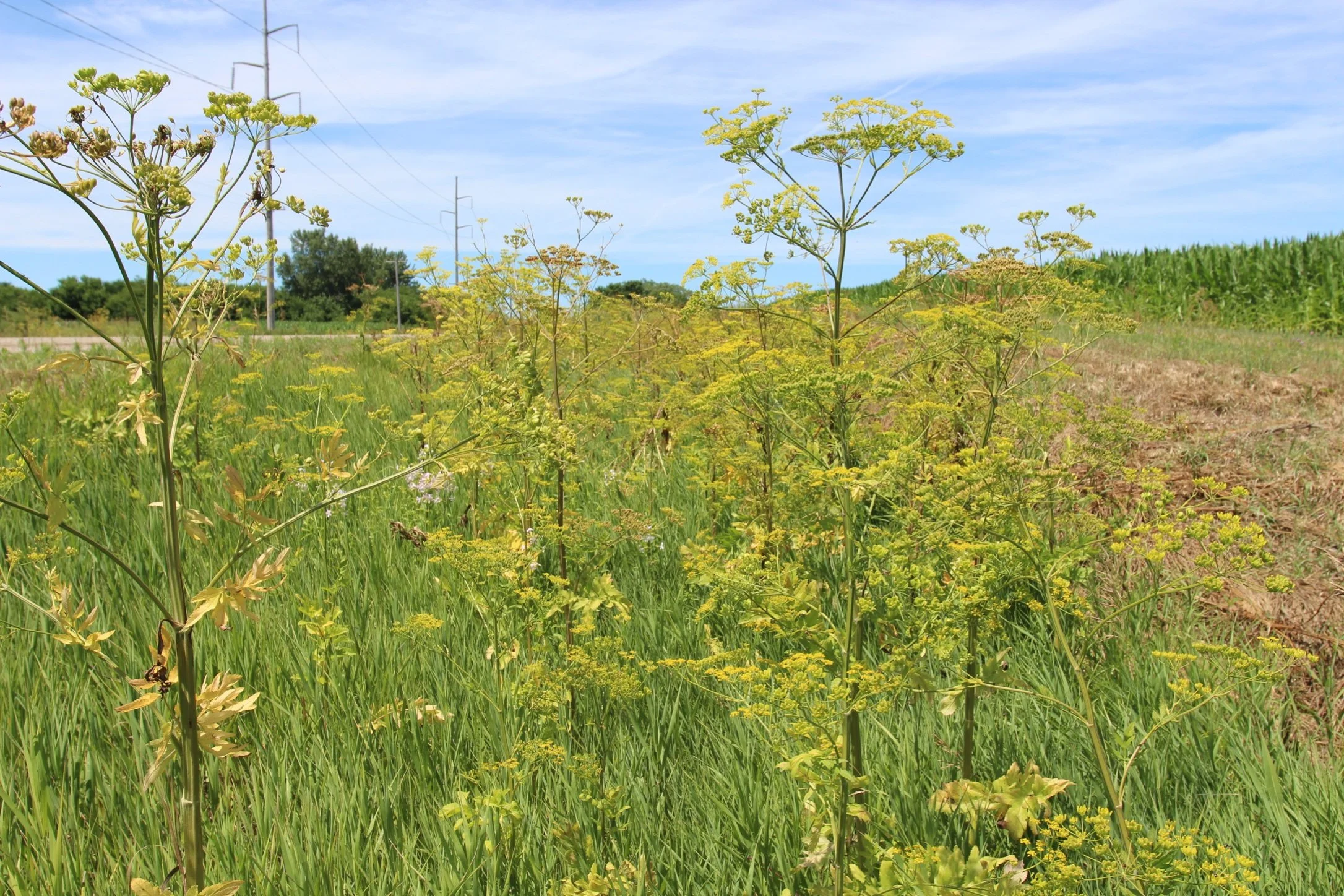
Wild parsnip looks like a harmless wildflower, but it releases a photoreactive chemical that interacts with sunlight and can cause extremely painful chemical burns and big, blistering welts that take a long time to heal and can leave intense scars. Here’s how to spot it:
Can get very tall, up to 5 ft
Has yellow umbrella-shaped flowers and smooth green stem
Leaves are jagged and compound and look kind of like celery leaves or parsley
It has a few lookalikes, like Golden Alexander (similar yellow flowers but smaller and leafier), Prairie Parsley (more finely divided leaves), and Yarrow (shorter, bushier, fuzzy stems and leaves) so it’s important to know some specific details with this one.
Wild parsnip is extremely common and grows on roadsides, ditches, prairies, sunny fields. If you see it, don’t touch it. If contact happens, wash with soap and water immediately, and keep your exposed skin away from sunlight for a few days so it doesn’t worsen. You don’t feel it burn you immediately, so people often don’t realize what happened until later, after they’ve been exposed to sunlight.
Plant ID photos via Iowa State University Extension and Outreach.
Poison Hemlock
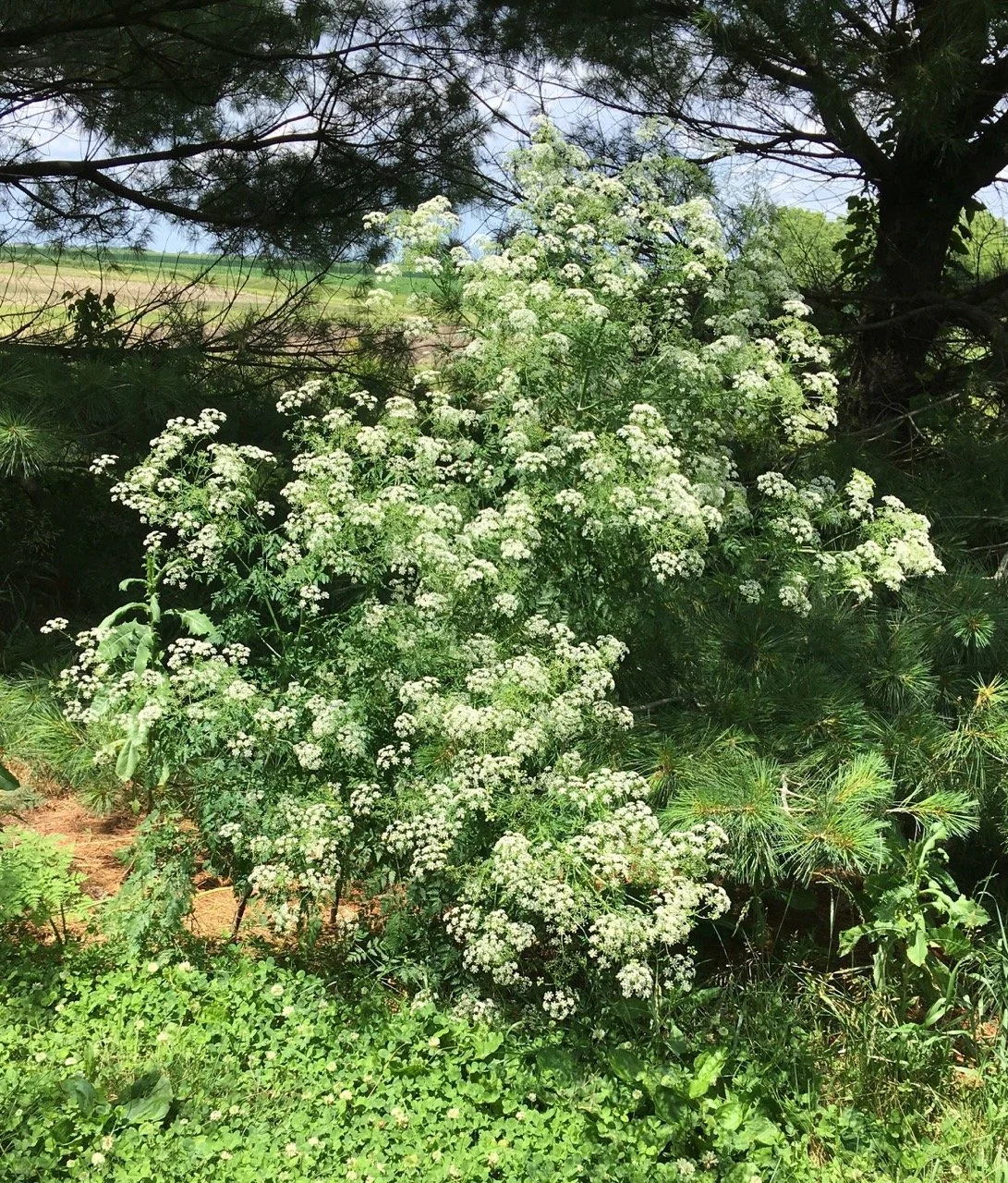
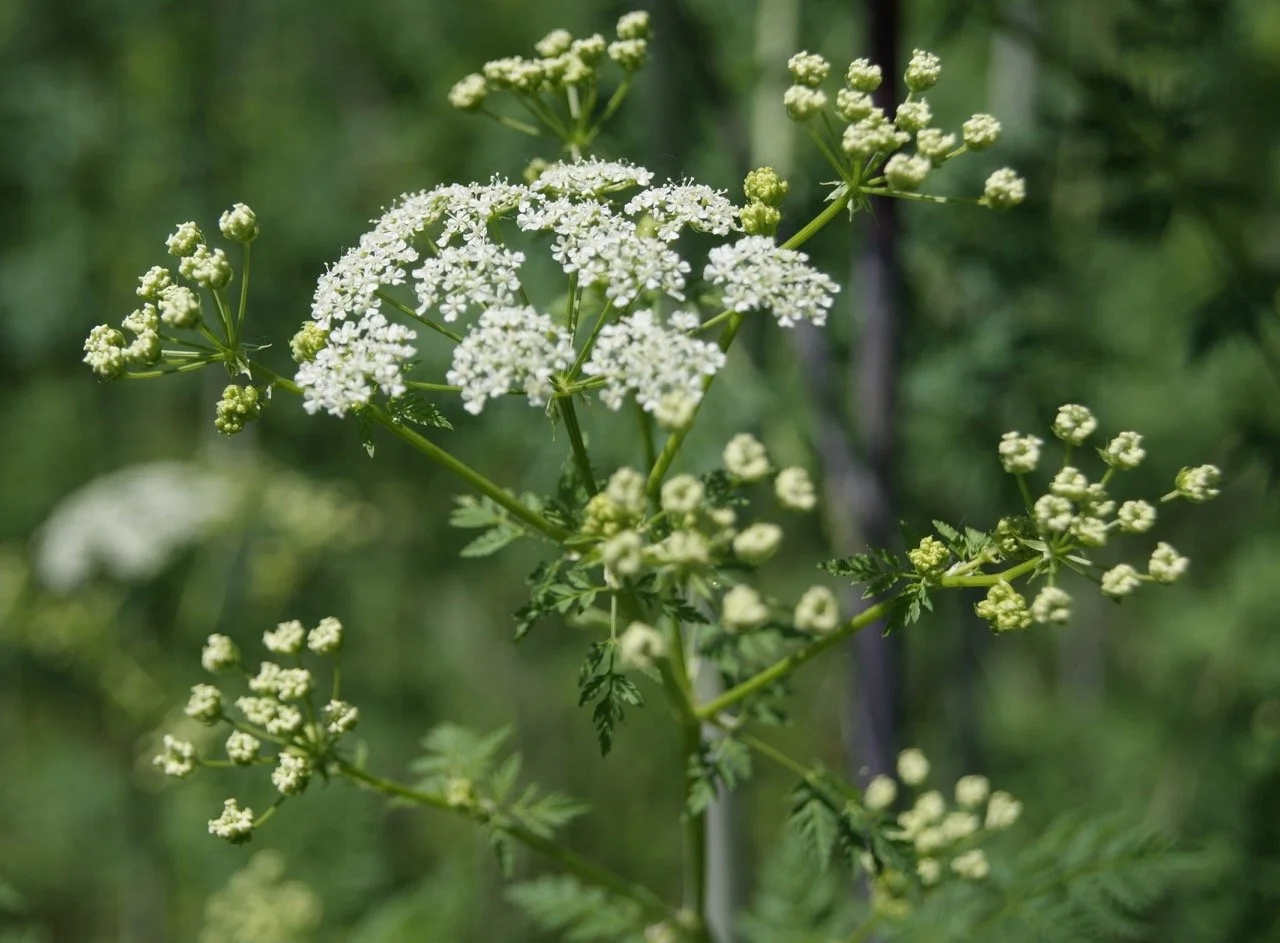
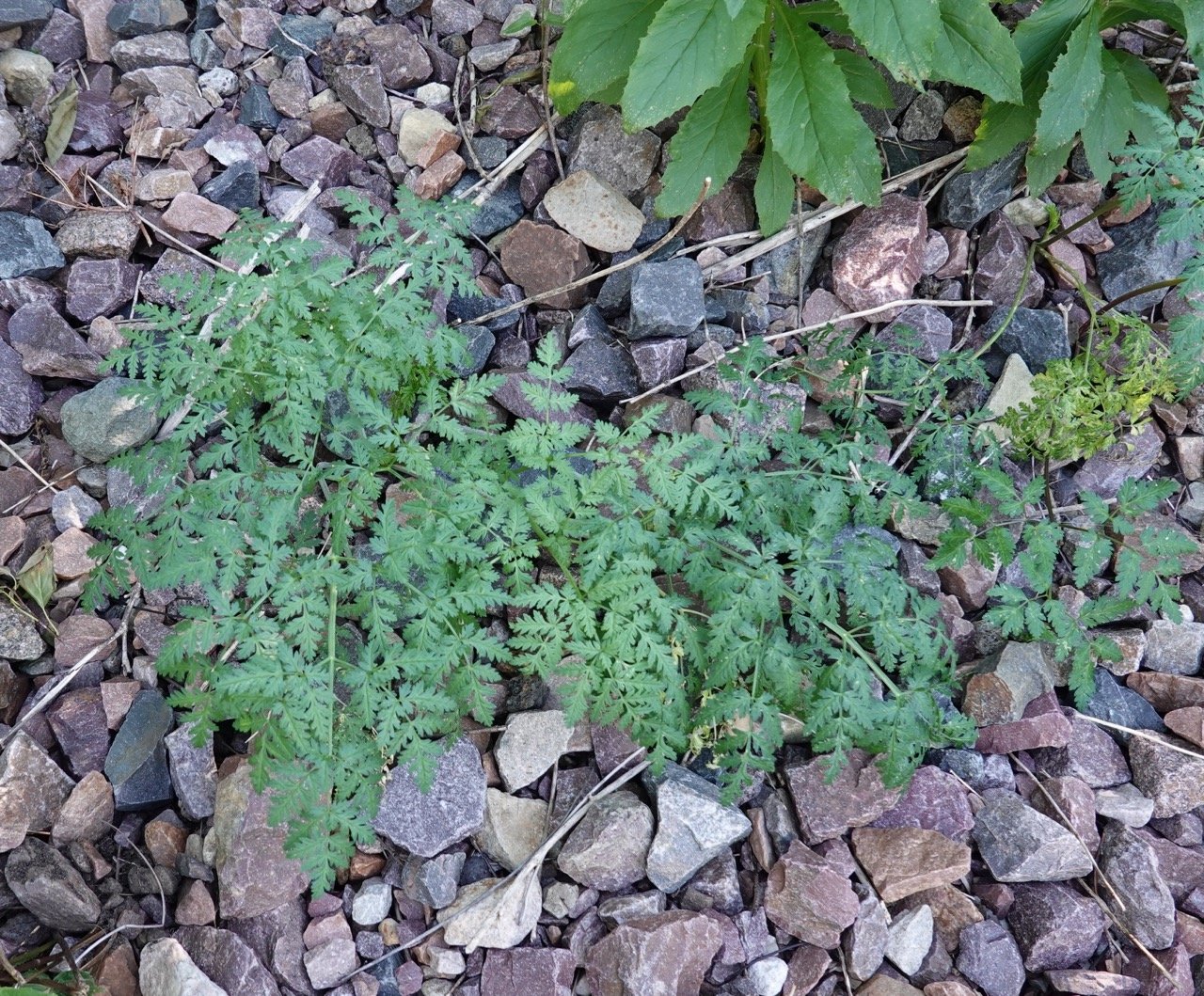
This one can kill you FYI!! All parts of poison hemlock are toxic. Ingesting even small amounts can be fatal. Touching it isn’t as dangerous as eating it, but the sap can still cause serious skin reactions, especially if you have cuts or broken skin. Some people are very, very sensitive to it and simply breathing around it can have fatal effects. Here’s how to identify it:
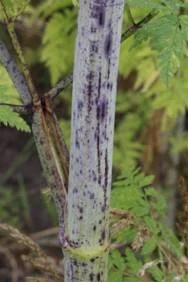
Has hollow, smooth stems with purple blotches
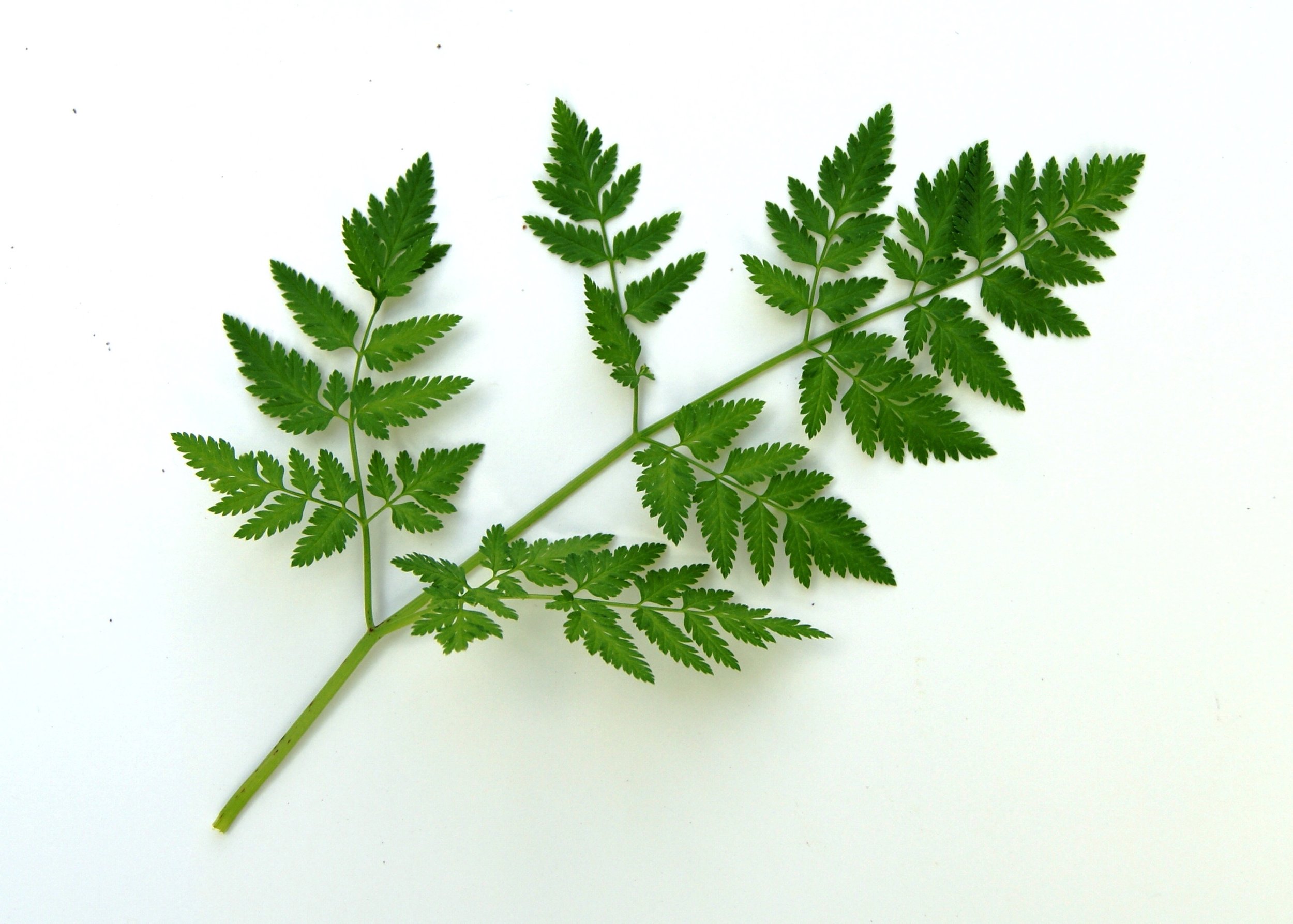
Has white umbrella-shaped flower clusters, and fern-like, delicate leaves
Can get very tall, up to 10 feet tall, but is dangerous at all sizes
It looks extremely similar to Queen Anne’s Lace, but that one has has a hairy stem and sometimes a purple flower in the center. It’s also really similar to ragweed in the leaf shape but not in the flowers. Yarrow is also similar, but is shorter and bushier, and has fuzzy stems and leaves.
It grows and spreads along roads, bike trails, creeks, fields, parks, and anywhere with disturbed soil. It is often found in alleys and backyards and gardens. For your clients’ safety and your own, it’s critical to learn to ID this plant, always check for the purple-spotted stems. Don’t shoot near it, don’t sit people in it, and don’t assume it’s Queen Anne’s Lace. Check every time!
Plant ID photos via Iowa State University Extension and Outreach.
Ticks
Contrary to popular belief, ticks don’t fall down on you from trees. They live low to the ground and hitch on to your feet, ankles, and lower legs as you walk through grassy areas. They slowly work their way up your body, looking for warm, moist places like armpits, groin, belly button, in and around the ears, to bite you and feeding on your blood (EW). They can crawl all over your for hours before finding a place to bite you, so if you find one biting you, it’s probably been with you for a while. (GROSS).
Another misconception about ticks is that they are inactive in the winter. They are actually active most of the year. Peak is spring through early fall, but warmer winters mean they never totally disappear and they’re active when you might not expect other bugs to be active. Early spring is also nymph season, AKA baby tick season, and it’s an especially dangerous time because you might not notice them on you because they are so impossibly small.
Lyme disease and other tick-borne illnesses like bacterial infections and alpha gal syndrome are a real risk in Iowa and all slightly wild places with ticks. They hang out in grassy fields, brushy areas, along trails, under leaf litter… basically anywhere slightly wild.
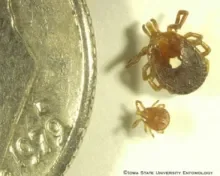
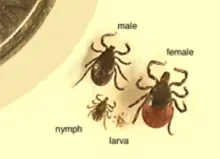
Types of Ticks
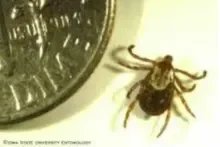
The American Dog Tick (aka wood tick) are abundant in Iowa and prefer to hang out in grassy fields, and along walkways and trails. They can survive up to two years without a host. If you get a tick on you in Iowa, this type is the safest in terms of disease exposure.
The Lone Star Tick is all over the south and southeastern US and is getting increasingly common in Iowa. Adult females have an obvious white dot on their backs. They are usually found in bushy and grassy areas and can transmit bacteria of several different diseases, including Alpha-gal Syndrome, which can cause you to become allergic to red meat and dairy products.
The Blacklegged Tick (aka deer tick or bear tick) is predominately found in woody, brushy areas. This is the type that can give you Lyme Disease, which can cause long-term joint pain, fatigue, and neurological problems, and isn’t well understood. To transmit Lyme disease, they need to be attached for 48-72+ hours. The nymphs are the size of a poppy seed and adults are also extremely small (1/8” or smaller) and can be hard to find on you, so doing daily tick checks for is important to prevent Lyme Disease.
To keep yourself safe from ticks, wear tall socks and closed shoes when you’re out in natural areas. Wearing light-colored clothes can help you spot ticks more easily. Treat your shoes and pants with permethrin, a tick repellant, and use insect repellent spray containing Picaridin. I carry Proven brand Picardin spray with me to every single outdoor wedding and music festival ever, and it really helps!
Don’t have clients lie down in or walk through tall grasses to minimize exposure during your outdoor photo sessions, and check yourself and your gear as soon as you possibly can afterwards. Remind your clients to do tick checks as soon as they are able as well. If you wait until you get home, you run the risk of transferring ticks to your car, but I have also done many tick checks in a gas station bathroom myself, just work with what you’ve got and check ASAP.
If you find a tick on you and it’s biting you, use tweezers or a tick removal tool to carefully pull it off of you. You don’t want to yank it off and risk breaking the mouth parts off inside of your skin. Put the tick in a sealed jar in case you need to have it tested. If you develop a bullseye rash, go to the doctor as soon as possible, and take the tick with you.
Tick ID photos via Iowa State University Extension and Outreach.
If you’re working outdoors, being able to recognize these common hazards helps you make smarter, safer choices while you work. Have fun and be safe out there!