Stay on Track with This Practical 12-Month Wedding Planning Guide
I’ve spent more than a decade as a wedding photographer, getting to witness the behind-the-scenes of countless weddings with my wonderful couples. Over the years, I’ve realized that most people who aren’t in the wedding industry don’t always see just how many details go into planning a wedding, even a small one.
To make things easier, I put together this step-by-step wedding planning guide to give couples a clear idea of what to do and when, broken down over a one-year timeline. Whether you’re just starting out or already have a vision in mind, this guide can help you stay organized and on schedule.
12 months out: get organized, set your budget, book your planner, venue, and limited-availability vendors (in that order).
Before booking any vendors, decide on your overall wedding investment. Naming an ideal investment, as well as a maximum or stretch budget, will help you stay within your financial boundaries and understand what you have left to work with after securing your limited-availability vendors (like your planner, venue, and photographer) who can only take one wedding per weekend.
Keep all your wedding information in one place so you’re not trying to remember a million little details. Keep your notes organized in a shared Google Sheet, and create a dedicated wedding planning folder in your inbox so contracts, invoices, and deadlines don’t get buried. There are also lots of analog ways to keep organized. Try out a project planning notebook like this one from Poketo, a more guided wedding planning book like this one from Kate Spade, or even a special “something blue” engagement gift to yourself, like this luxurious notebook from Tiffany & Co.
If it’s within your budget, hire a wedding planner first. A good planner can help you navigate early planning steps like figuring out your guest count, building your core vendor team, and offering expert advice on details you might not think of yet. They can also help you understand vendor contracts. If you’re looking for a Des Moines-based planner, I personally love working with the team at Wildflower DSM. They are excellent event planners and they also provide beautiful in-house florals. If a planner isn’t in your budget, bookmark or print this planning guide so you don’t miss any crucial steps.
Next, book your venue and finalize your wedding date. If you’re planning an outdoor or tented event, I personally prefer the look of a clear tent over a white one, clear tenting allows more light in and photographs beautifully. Be sure to factor in the extra costs for outdoor setups, like generators, lighting, tenting, and portable toilets, early in your budget.
Make sure the first three steps are complete first, then book your photographer, hair and makeup team, officiant, live musicians, and stationer (invitations, calligraphy, etc.). These vendors need a confirmed date and venue before they can work with you, and they typically book pretty far in advance since they can only take one, maybe two, weddings per weekend. I personally book elopement and wedding photography clients 6–12 months ahead, though last-minute bookings are always welcome if I have availability. I typically don’t book more than 18 months out but can under the right circumstances (like international travel).
Reach out to me if you’re at this stage and ready to talk about book your wedding photography!

9 months out: wedding apparel, guest list, remaining vendors.
Book your remaining vendors, including florist, caterer, bakery, event stylist, décor rentals, and videographer. Once booked, plan ahead for your cake and menu tastings (around 6 months before the wedding) and your hair and makeup trials and design presentation (around 3 months before). The design presentation is when you’ll review and approve your event design and see a sample tablescape in person. Not all vendors offer tastings, trials, or presentations, so if those are important to you, confirm before booking.
Build a wedding website and finalize your guest list. Having multiple ways to reach your guests can be helpful if any last-minute changes come up, and a website is an excellent way to share local info with your guests like hotel blocks, things to do in the area, and wedding weekend event info such as the address for your welcome party, rehearsal dinner, weekend outings, farewell gathering, etc. Start collecting email and mailing addresses now so you’re not scrambling later. Some guests will inevitably have to choose between attending your wedding or another event on the same date, so it’s completely fine to share a date announcement via email or your wedding website before sending formal save-the-dates or invitations.
Start shopping for your wedding-day apparel! Bring a few of your favorite people or take yourself on a solo outing to find your dream outfit and accessories. It’s best to start early so you have time for alterations, fittings, and any custom pieces to be made. If you start early enough, you can even turn it into a fun trip, like a weekend in New York City trying on designer veils with your besties.
Check out my blog on non-traditional veil options here! There are so many fun ones to choose from!
6 months out: save the dates, connect with your vendors.
Send your save-the-dates no later than 6 months before the wedding (or as early as 9 months if you prefer).
Reconnect with your vendor team to revisit your wedding vision. Share your mood boards, color palette, and aesthetic goals with your florist, venue, event stylist, etc. (the vendors who shape the look and feel of your day), and get their feedback on floral design, tablescapes, lighting, signage, and furniture placement. Talk through your ideas early so they have time to source materials and fine-tune details, and stay open to adjustments based on budget, venue restrictions, or product availability.
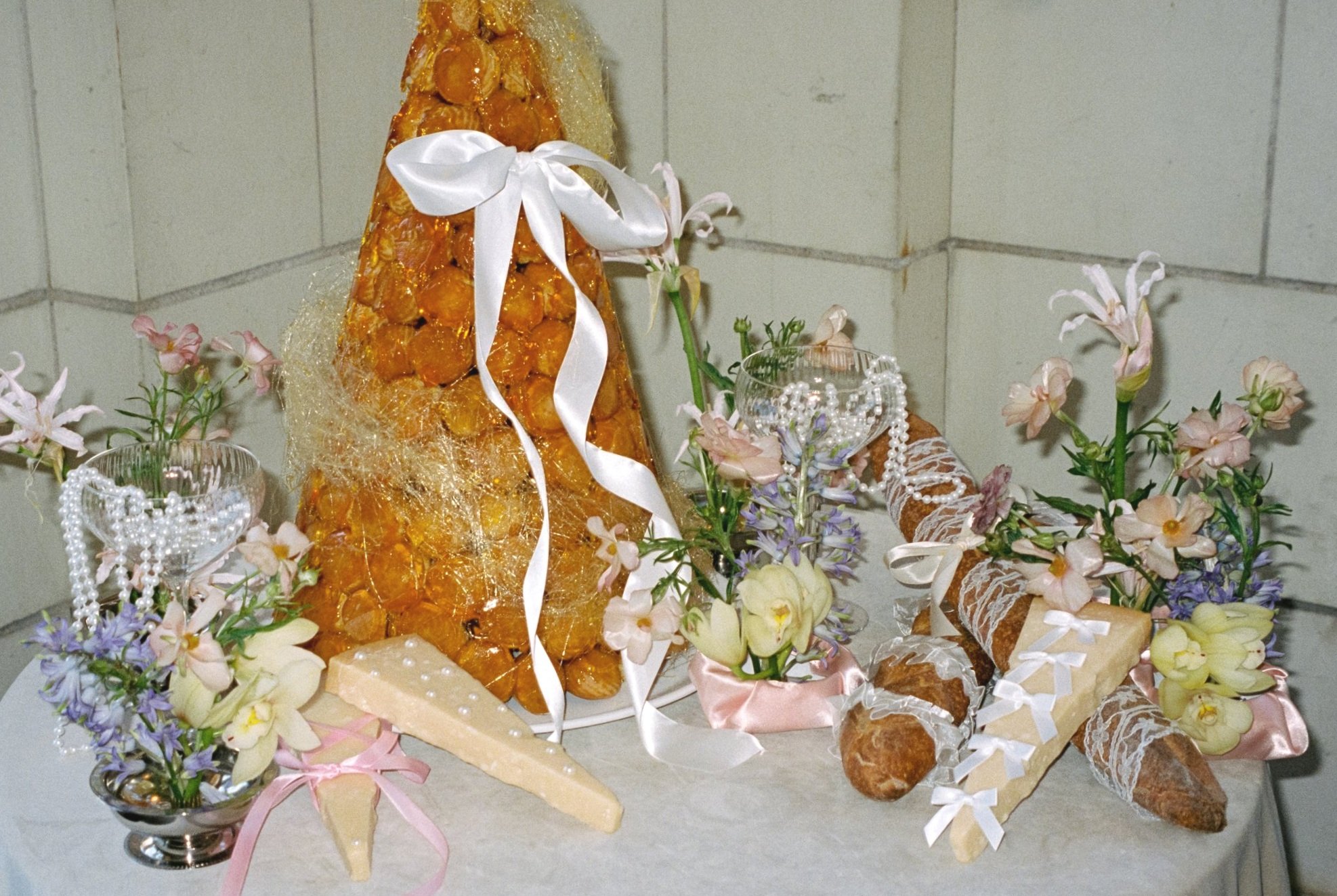
Attend your scheduled menu and cake tastings. These can be some of the most fun date nights leading up to the wedding. Depending on your vendors and budget, you’ll likely get to sample appetizers, entrées, desserts, cakes, and frostings. Taste intentionally, take notes, and sip water between bites to cleanse your palate. Don’t hesitate to share preferences or feedback with your caterer and baker, and make sure you know their deadlines for final menu selections and dietary restrictions.
3 months out: vows, trials, alterations.
Don’t wait until the last minute to write your vows, and for the love of all things good in this world, do not write them with an AI chatbot. Writing personal vows deserves time and attention. Give yourself plenty of space to reflect and revise. Try reading them out loud in the mirror to see how they feel when spoken, or read them to someone you trust to give you feedback.
Have your wedding outfits altered if needed, and schedule your final fittings for around just two or three weeks before the wedding, after alterations are complete. It’s tempting to check this off early, but scheduling your last fitting closer to the day helps ensure everything still fits perfectly and feels comfortable.
Check in on your skincare routine. Moisturize and use SPF consistently so your skin stays healthy and radiant, but avoid introducing any new products this close to the wedding. You don’t want to risk irritation, breakouts, or allergic reactions with your wedding day just around the corner.
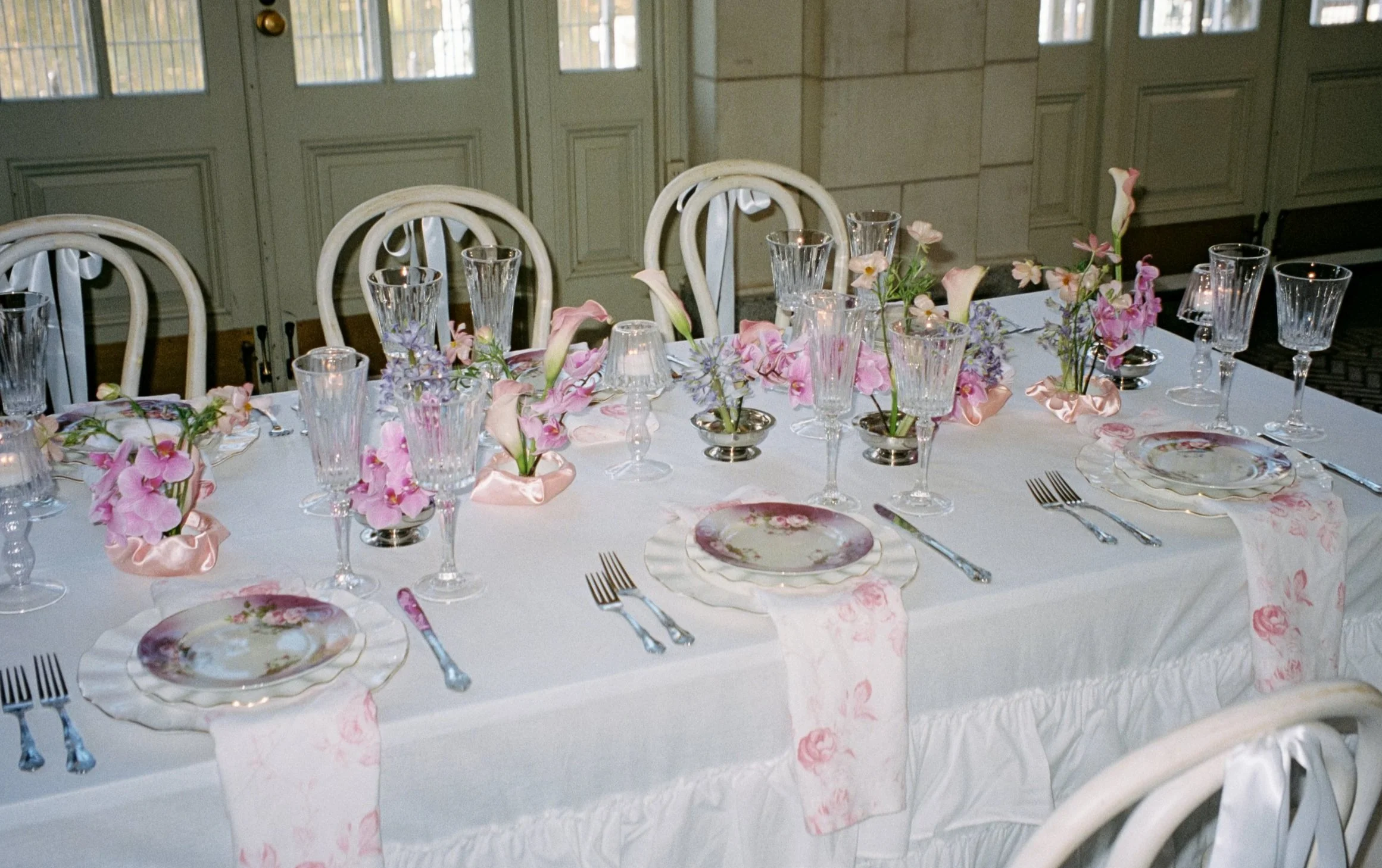
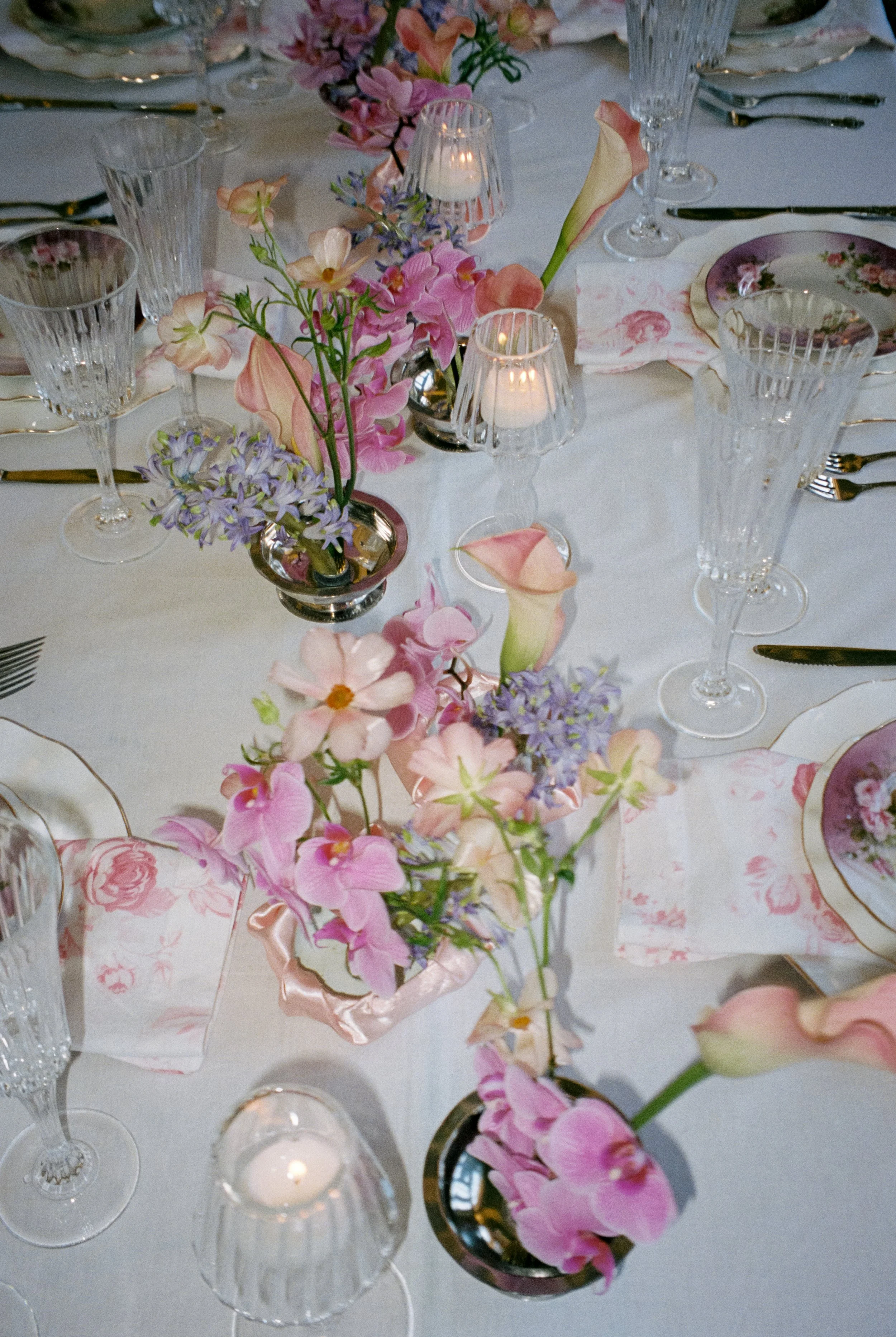
Attend your design presentation with your vendor team and see your vision start to come to life! It’s a great chance to give feedback and make any final adjustments before the big day. You’ll review mood boards, swatches, layouts, floor plans, floral concepts, tablescapes, ceremony setups, lighting, and more.
Attend your hair and makeup trials. This is your preview of how your wedding look will come together. Bring your inspiration photos and share your overall vision with your artists so they can capture your style accurately. Let them know about any allergies or sensitivities, and consider wearing a similar neckline to your wedding outfit to visualize the full look. Test the staying power of your look by booking a dinner date, bridal shower, or a photo session afterward to see how it lasts through the day and evening.
2 months out: marriage license, timeline, formal invitations.
Send your formal invitations no later than two months out (or up to three months if you prefer to get ahead).
Finalize your wedding timeline and tie up any loose ends with your vendors. Be sure to include all wedding weekend events, like your welcome dinner or farewell brunch, and send the timeline to your full vendor team for review. Expect a few adjustments as vendors confirm their needs or timing. This is also the right time to review final details, like sending song choices to your live musicians or providing your photographer with a list of family members who will be involved in formal group photos. If any changes are made, resend the updated version to everyone involved, and share a copy with any close loved ones who’ll be helping behind the scenes.
Apply for your marriage license and check in with your officiant about the ceremony. Verify details like fees, waiting periods, and witness requirements with the county or state where you’ll be getting married. As of December 2024 in Des Moines, Iowa, you can apply for your marriage license at the Polk County Recorder’s Office. The fee is $35, and the license is valid for six months. Once you’ve applied, talk with your officiant about your ceremony plans, including readings, vows, or any customs and traditions you’d like to include, so they have everything they need for your wedding day.
1 month out: seating chart, vow review, final vendor balances.
Once RSVPs start rolling in, get to work on your seating charts for your welcome dinner, ceremony, and reception. When everything is finalized, share your final headcount, seating plan, and reiterate any allergy or dietary notes with your planner and caterer.
Review your vows one more time. Make any edits or refinements you want, and practice reading them out loud if you’ll be speaking them during your ceremony. If you’re exchanging written vows instead, take some time to copy them into vow books or onto nice stationery for the wedding day.
Pay all remaining vendor balances. Most final payments are due about a month out, and it’s best to have everything squared away now so you can relax in the last few weeks.
2 weeks out: final fitting, planner check-in.
After alterations are complete, attend your final fittings. You’ll try on your full wedding look to confirm the fit and comfort. Some last-minute pinning or adjustments might be done, but you should take your outfit home from this appointment. Make sure you feel comfortable and can move freely, and absolutely speak up if anything feels off. This is also a good time to ask how to properly clean and store your attire after the wedding.
Review what items you want to keep, store, or have transported home after the wedding with your planner. This can include sentimental keepsakes like your cake topper, menus, and place cards, as well as practical items like a change of clothes or shoes. You may also want to discuss how to preserve pieces like your bouquet or veil.

1 week out: travel prep, ring cleaning, relaxation!
Pack your bags and prep for any wedding travel or hotel stays. Get your overnight bags ready early in the week so you can spend the final days relaxing instead of scrambling. Double-check logistics like parking, room numbers, check-in and check-out times, and addresses, and share this info with your immediate family and wedding party, planner, photographer, hair and makeup team, and anyone else who needs it. Taking care of these details early helps you avoid unnecessary travel stress on the wedding day.
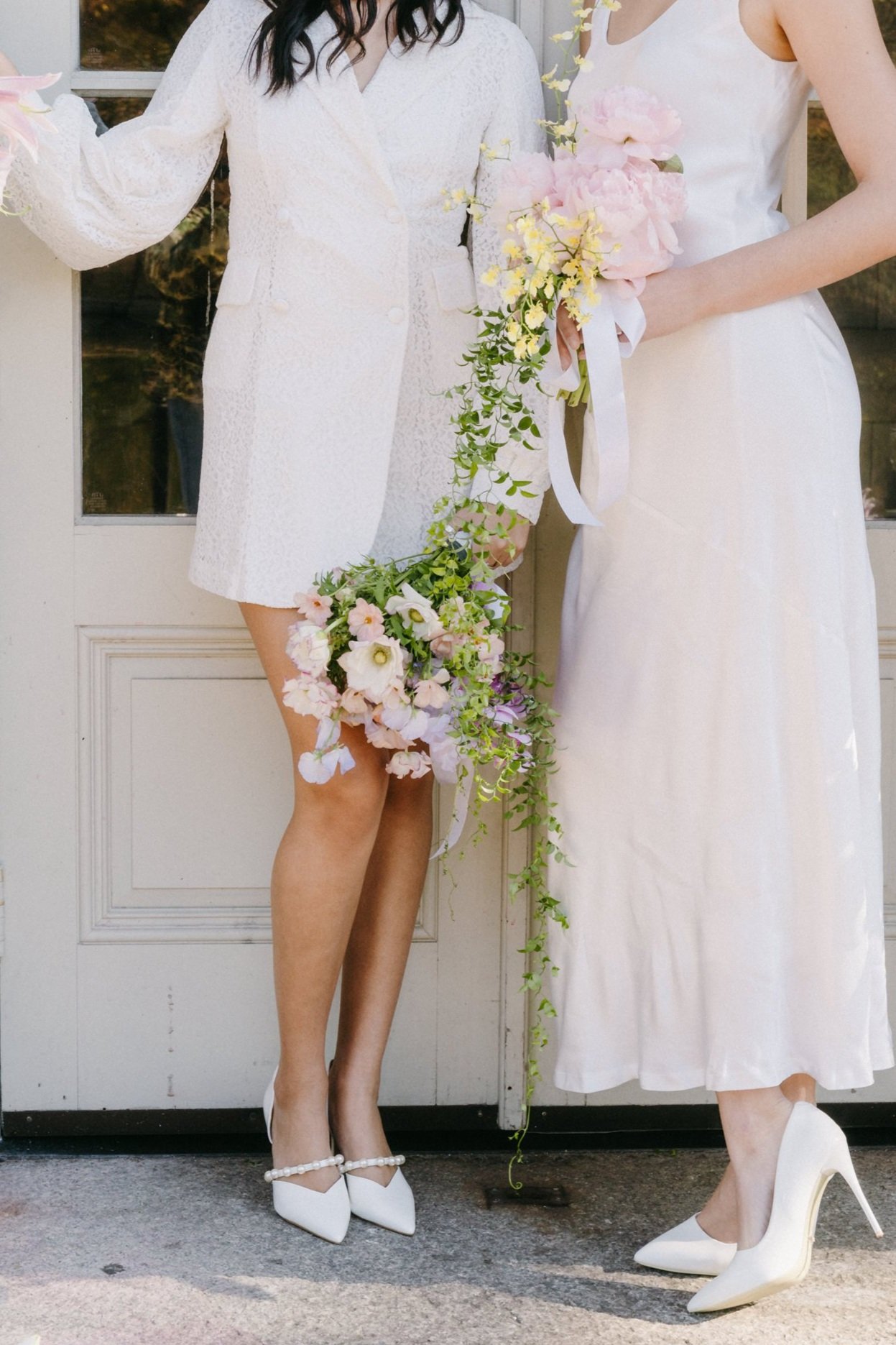
Have your engagement rings and wedding bands professionally cleaned. For maximum sparkle in your photos and on the day itself, schedule your cleaning as close to the wedding as possible. Your jeweler can also inspect for loose stones or bent prongs to ensure everything’s secure.
Don’t panic about the weather, relax and take care of yourself. You might still be answering last-minute questions or adjusting for weather, but try to minimize stress where you can. Remember that the forecast can and will change A LOT in a week’s time, especially in Iowa, and that you’ll make any final weather calls 24-48 hours out. Eat nourishing meals, drink plenty of water, get good sleep, and take time off work if possible. Spend some peaceful, grounded time together before the celebrations begin.
And now… it’s time to say “I do!”
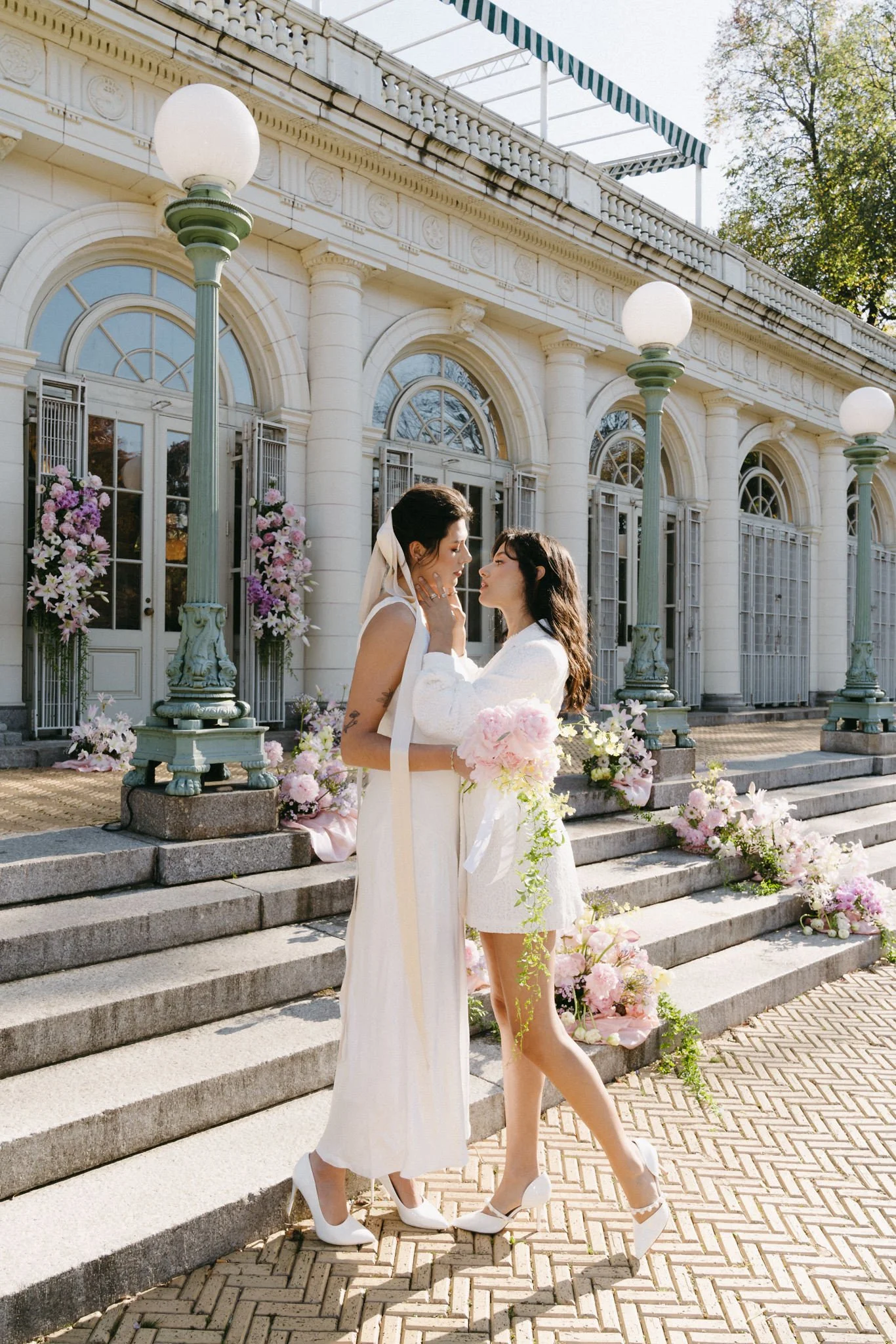
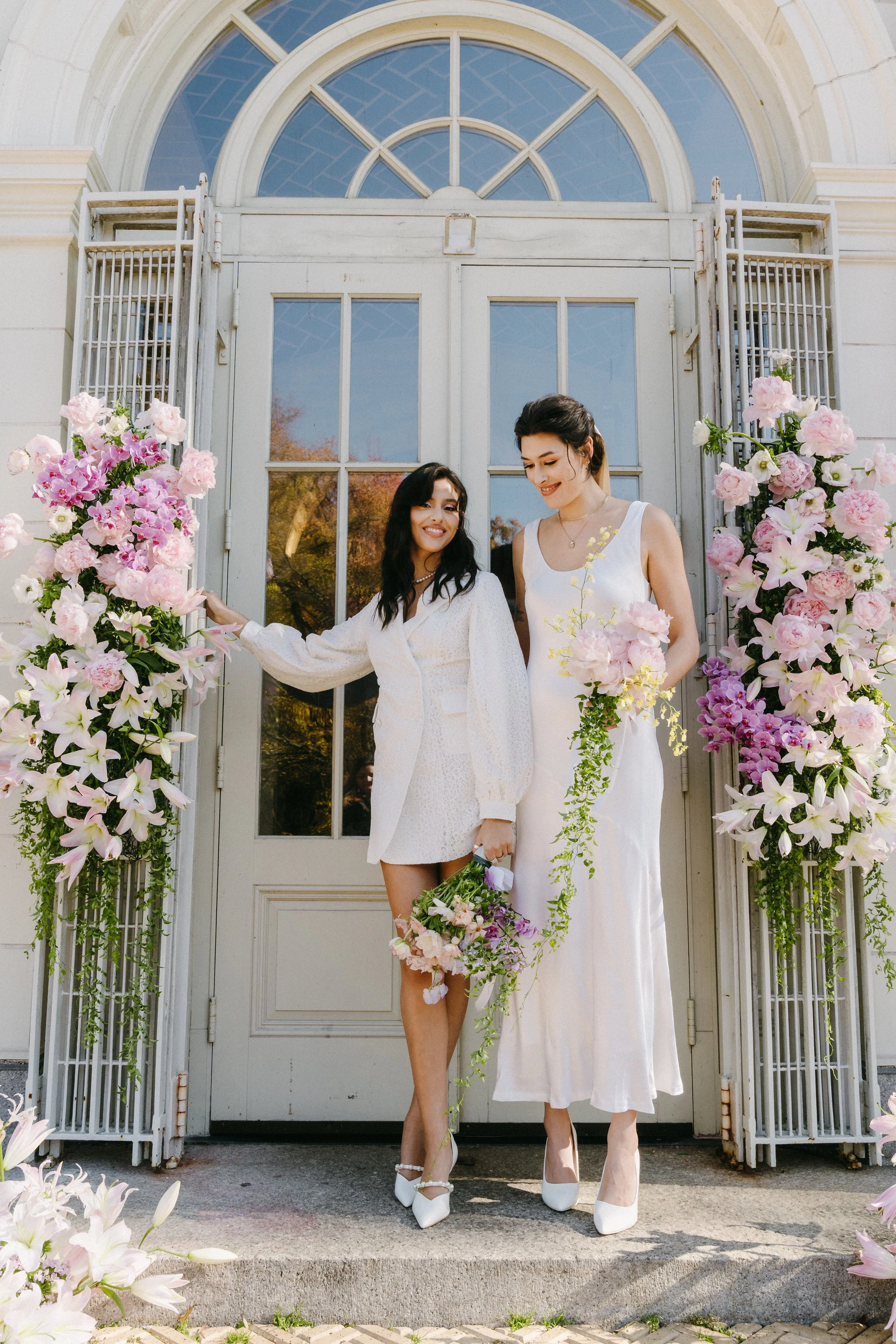
I hope this guide helps you feel a little more confident and organized as you plan your wedding. I’m not a planner, but I’ve been part of hundreds of weddings over the years and love seeing my couples create celebrations that feel true to them. If you ever have questions about timelines, vendors, or logistics, don’t hesitate to reach out! I’m always happy to share what I’ve learned along the way.
– Alyssa